Skin cancer is one of the most common cancers in the U.S. The good news is that it is one of the most preventable cancers. Every May we take the time to spread the word about how to protect our skin and catch skin cancer or abnormalities in our skin early. Just a few simple habits can make a big difference.
What is Skin Cancer?
Skin cancer is what happens when your skin cells grow out of control. This is often caused by too much ultraviolet (UV) radiation from the sun or other sources like a tanning bed. The three main types of skin cancer are basal cell carcinoma, squamous cell carcinoma, and melanoma. Melanoma is the most serious because it can spread to other parts of the body if not found early.
Know Your Risk
Anyone can get skin cancer; it can affect people of any age and all skin tones. However, there are some things that raise your risk of developing skin cancer. If you spend a lot of time in the sun, it can increase your risk, especially without sun protection like sunscreen or protective clothing. Using tanning beds also increases your exposure to UV radiation and increases the risk of skin cancer. Having light skin, light hair, or light eyes can increase your risk. Another risk factor is having a personal or family history of skin cancer. Also, having many moles, especially abnormal moles, on your body will increase your risk. If you have a previous skin injury such as a major burn or scar, it is important to look out for abnormal moles or lesions.
How to Protect Yourself
There are steps that can greatly lower your risk of skin damage. It is important to wear sunscreen every day, even on cloudy days. Look for sunscreen with a SPF of 30 or higher. It is also important to reapply sunscreen throughout the day, at least every 2 hours. If you are sweating a lot or swimming, you will need to reapply sunscreen even more often. Wear protective clothing such as sun shirts, hats, and sunglasses when you are outside to protect yourself. One thing to be careful about is sunglasses. Make sure that, when you buy sunglasses, it says that they have UV protection, as not all glasses have this. Another way to protect yourself is to stay in the shade when the UV rays are the strongest. This is typically between 10am to 4pm. As mentioned above, it is important to avoid tanning beds, as they increase the risk of skin cancer by exposing you to intense UV radiation.
How to Spot Skin Cancer
It is important to be aware of any new or changing spots on your skin, especially if it persists for more than two weeks. Check for asymmetry in moles, where half of the mole does not match the other. Look to see if the edges of the mole are uneven or ragged. See if the color is the same throughout the lesion. Take note if the spot is larger than a pencil eraser (6mm). Pay attention to skin lesions that do not heal or begin to bleed. If you notice any of these signs, it is important to see a doctor right away.
As the weather begins to get warmer, and we begin to spend more time outside, it is important to keep these tips in mind. If you have any questions about skin cancer or how to protect your skin, do not hesitate to talk to your doctor.
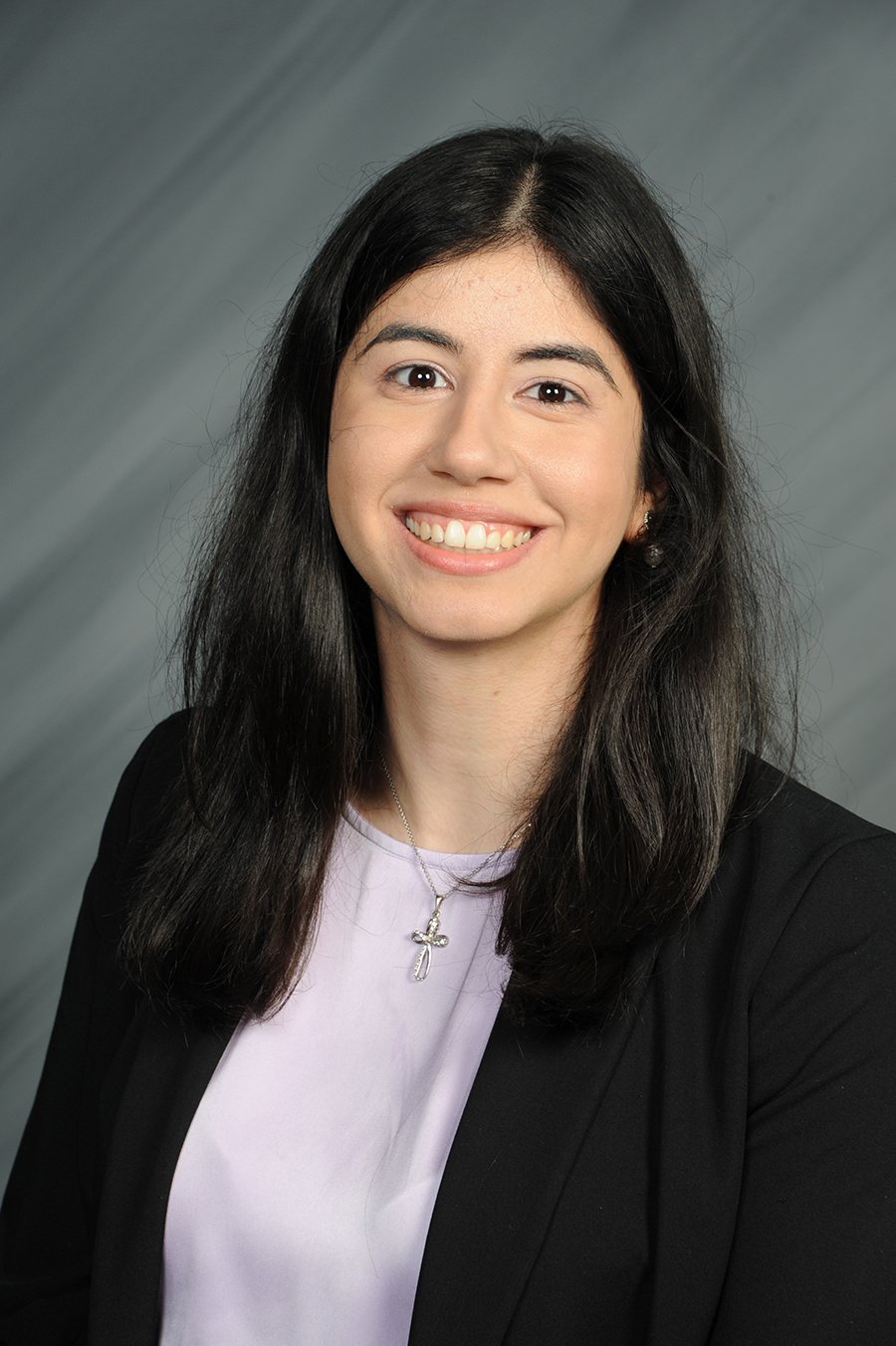
Dr. Nicole Fakes is a resident physician who sees patients of all ages and provides obstetrical services at Lone Star Family Health Center, a non-profit 501(c)(3) Federally Qualified Health Center operating facilities in Conroe, Spring, Willis, Grangerland, and Huntsville, and serving as home to a fully integrated Family Medicine Residency Program to increase the number of Family Medicine physicians for Texas and our community.